

Why is sleep crucial to your health?
Tips for better rest
Sleep is one of life’s basic needs, as important as food or water. Unfortunately, in today’s busy world, we increasingly treat it as a luxury rather than a priority. Meanwhile, how and how much we sleep has a huge impact on our physical health, mental health and overall quality of life. Find out why sleep is so important and how you can ensure you get a better night’s rest every night.
Why is sleep so important?
-
Regeneration of the body
During sleep, the body regenerates at a cellular level. It is a time when muscles rest, tissues are repaired and internal organs regain strength to continue working. Sleep is also crucial for the immune system – sleep deprivation can weaken your immunity and make you more susceptible to infection. -
Brain health
The brain also needs sleep to function properly. It is at night that we consolidate memories, process emotions and solve problems. Sleep deprivation can lead to difficulty concentrating, memory problems and an increased risk of mood disorders such as depression or anxiety. -
Hormonal balance
Sleep affects the production of key hormones such as insulin (which regulates blood sugar levels) and cortisol (associated with stress). Sleep disturbances can lead to metabolic problems, overweight and even type 2 diabetes. -
A healthy heart
A good night’s sleep lowers blood pressure, reduces stress and reduces the risk of cardiovascular diseases such as heart attack and stroke. -
Better wellbeing and efficiency
People who get regular sleep have more energy, are more productive and have a positive attitude to life. A long, restful sleep allows us to start each day with a renewed dose of strength and motivation.


Long-term lack of sleep can lead to serious health problems such as heart disease, diabetes and depression.
How to ensure better sleep?
-
Set a regular sleep schedule
Set fixed times for going to bed and getting up, even at weekends. Regularity helps the body to regulate its internal biological clock. -
Create ideal conditions in the bedroom
Ensure the right temperature (around 18-20°C), darkness and silence. Choose a comfortable bed – preferably a continental bed – that will provide you with the ideal sleep support. -
Avoid caffeine and alcohol before bedtime
Caffeine can disrupt sleep even hours after consumption. Alcohol, although it may initially have a calming effect, disrupts the deep sleep phases and can lead to frequent awakenings. -
Give up electronics before bedtime
Screens emit blue light, which inhibits the production of melatonin, the sleep hormone. Try to switch off the TV, phone and computer at least an hour before bedtime. -
Avoid heavy meals in the evening
Eating too much before bed can cause discomfort and interfere with restful sleep. Choose light, healthy snacks for dinner. -
Relax before bedtime
Try relaxation techniques such as meditation, deep breathing or reading a book. This will help you quiet your mind and prepare for sleep. -
Invest in a good mattress and bedding
Comfort during sleep is essential. Continental beds, with their multi-tiered construction, are ideal for those who value comfort and healthy sleep. Also choose bedding made from natural, breathable materials.
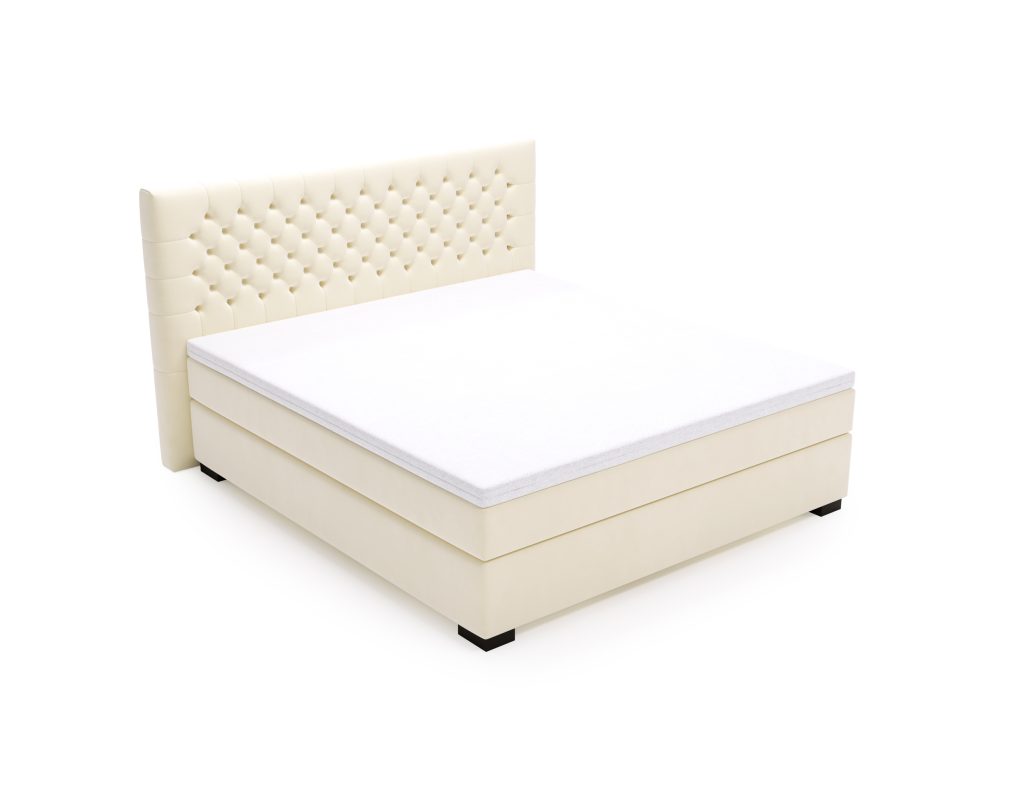

Sleep is the foundation of a healthy lifestyle – it’s the time when your body regenerates, takes care of your brain, heart and hormonal balance. To ensure its quality, it is crucial to create the ideal conditions for rest. Continental beds from the LEFIOLA collection combine exceptional comfort and elegant design to give you a healthy, deep sleep every night. Choose LEFIOLA and see that a well-slept night is an investment in your health, well-being and the beauty of your bedroom.